Spa

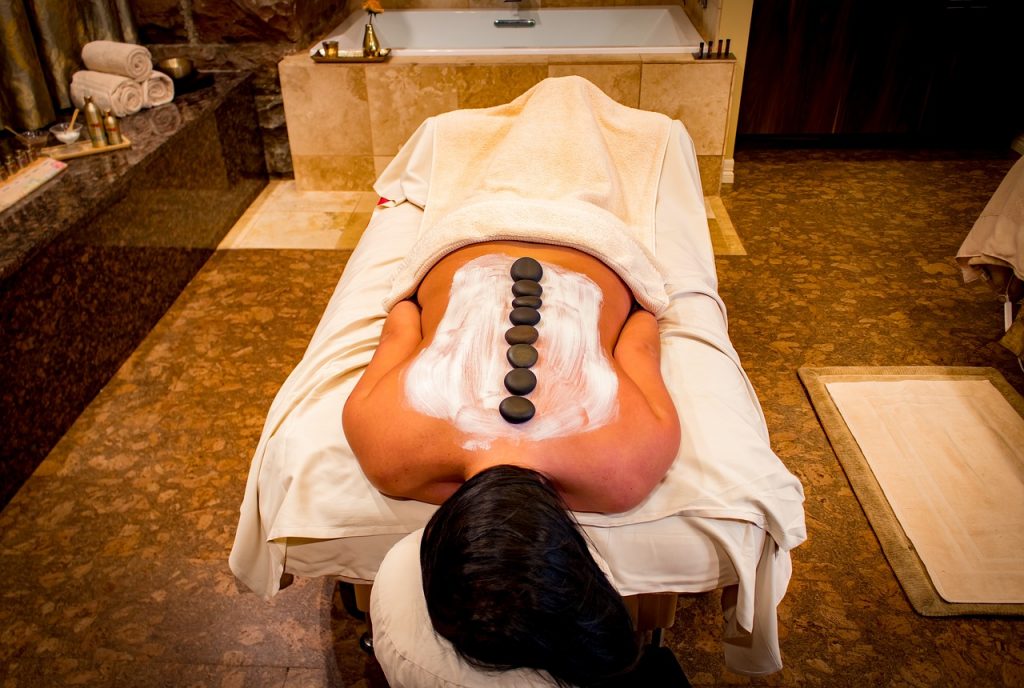
people, indoors, furniture, spa, massage, relax, stones, mud, brown relax, brown massage, brown spa, brown stone, spa, spa, spa, spa, spa, massage, massage, massage, massage
Spa

Stories of a hotelie: Making money with our spas

The question of how to make a spa profitable is a complex yet crucial one. A few years ago, I had the opportunity to tackle capacity challenges at one of the world’s most renowned wellness centers. At that time, spa operations were chaotic—there was no demand forecasting, therapists had varied skill sets, treatment rooms lacked consistency, and scheduling was inefficient. It took time and strategic adjustments, but eventually, we found a formula for success.The profitability strategy for a spa depends on multiple factors, including its type—whether it is a day spa, a destination spa, or an amenity spa—and whether it operates as a standalone business or as part of a hotel or resort.When asked for my insights on this topic, my advice is straightforward: simplify spa operations.By focusing on key factors that streamline service delivery, we can enhance efficiency and increase profitability. The main operational areas to optimize include:•Standardization of treatment rooms•Number and scheduling of therapists•Therapist versatility vs. specialization•Treatment menu design•Operating hoursEach of these factors influences spa capacity, and while different approaches have their pros and cons, simplification often leads to greater financial success.A well-structured spa operation is a balance between efficiency and customer satisfaction. By simplifying operations and addressing those challenges, spa managers can create a more profitable and sustainable business model.If you need further guidance in implementing an effective strategy for your spa, feel free to connect with me via LinkedIn.

Spa

Stories of a Hotelie: Selling Time with Different Price Tags

Can revenue management be applied to a spa? The answer is a resounding yes, despite traditional resistance from spa operators, often citing ethical concerns.Revenue management is the strategic effort to maximize income from every sale while ensuring optimal customer satisfaction. It is particularly relevant for businesses with a perishable inventory—such as hotel rooms, restaurant tables, or treatment rooms in a spa—where availability is limited and time-sensitive. As Cornell Professor Sheryl Kimes often emphasized, in such cases, businesses aren’t selling spaces but rather the time spent using those spaces.Customers generally accept varying rates for the same service, as long as they understand the reasoning behind it. This was evident in the operational revamp of Alameda Spa in Valencia, where management successfully implemented a pricing strategy that adjusted rates based on demand. The key was clear communication: explaining that lower prices at specific times were designed to balance workload and optimize service delivery, ensuring a smoother experience for both customers and staff.Ultimately, this pricing model benefits the client. A spa cannot accommodate all guests at peak hours while maintaining high service standards. Encouraging customers to visit during off-peak times allows for better resource distribution and a more pleasant experience for everyone.In the end, customers come to realize they are paying not just for a service but for the invaluable commodity of time—priced differently depending on when they choose to use it. No frills, no gimmicks—just the strategic management of time as a valuable resource.

Spa

Stories of a hotelie: sostenella y enmendalla, el extraño caso del Ayuntamiento de Valencia y su Balneario

Sostenella y no enmendalla define la actitud de quienes persisten obstinadamente en errores garrafales, incluso a sabiendas, por orgullo o para mantener las apariencias.En enero de 2021 el gestor del Balneario comunica al departamento de sanidad del Ayuntamiento que para preservar la pureza del agua mineromedicinal y reforzar las medidas contra la legionela se iba a optar por funcionar 5 días seguidos, cerrando 2. De ese modo, se podía suministrar el agua mineromedicinal sin cloro, para beneficio de los bañistas, realizando las operaciones de desinfección cada 5 días con el establecimiento cerrado al público; tales medidas están en línea con las recomendadas por el RD 487/2022 para el control de la legionelosis en las aguas termales.Asimismo, debido a la alta temperatura del agua termal del Balneario se decide no acumularla, y hacer que entrara y saliera de la piscina como si de un río se tratara, consiguiendo la renovación total del agua del vaso varias veces al día. Con esto se alcanzan tres objetivos: primero, el beneficio de un agua mineromedicinal sin ningún tipo de aditivo; segundo, la renovación constante del agua siendo ésta una de las medidas más eficaces para impedir el desarrollo de la bacteria, como se reconoce en la literatura al uso; tercero, se obtiene un beneficio adicional, en el ámbito de la gestión sostenible: al no acumular agua se eliminan los costes energéticos, y el uso desmesurado de desinfectantes con su inevitable impacto en el medio ambiente.La señalada propuesta de actuación obtuvo la aprobación del Ayuntamiento, certificándose en un acta de inspección en enero de 2021. Un año después, sin embargo, coincidiendo con un cambio de personas en la inspección de sanidad, comienzan los problemas para el Balneario. Curiosamente los problemas surgen tras haber aprobado el Servicio de Actividades del Ayuntamiento la posible conversión del Balneario en hotel-balneario. La nueva inspección, en su estrategia de acoso, llega a manifestar al concesionario que como era la autoridad podía llegar a cerrarle, como así ocurrió.En noviembre de 2022 el Balneario se cierra por un recuento mínimo de legionela, en todo caso causado por el incumplimiento contractual del Ayuntamiento de Valencia en cuanto a sus labores de desinfección de la tubería por la que se suministra el agua termal al Balneario.Ya no se habla de legionela, sin embargo, ahora son razones económicas completamente discutibles. La pretensión es clara, no obstante, hurtarle al empresario, que también fue el refundador del Balneario este siglo, la explotación de la concesión, en la que ha venido realizando una fuerte inversión de dinero, tiempo y esfuerzo. Hurtarle la concesión en definitiva porque sí, porque el poder político/administrativo así lo ha decidido, ya sea por razones de orgullo o por otras de más oscuro cariz

Scroll to Top