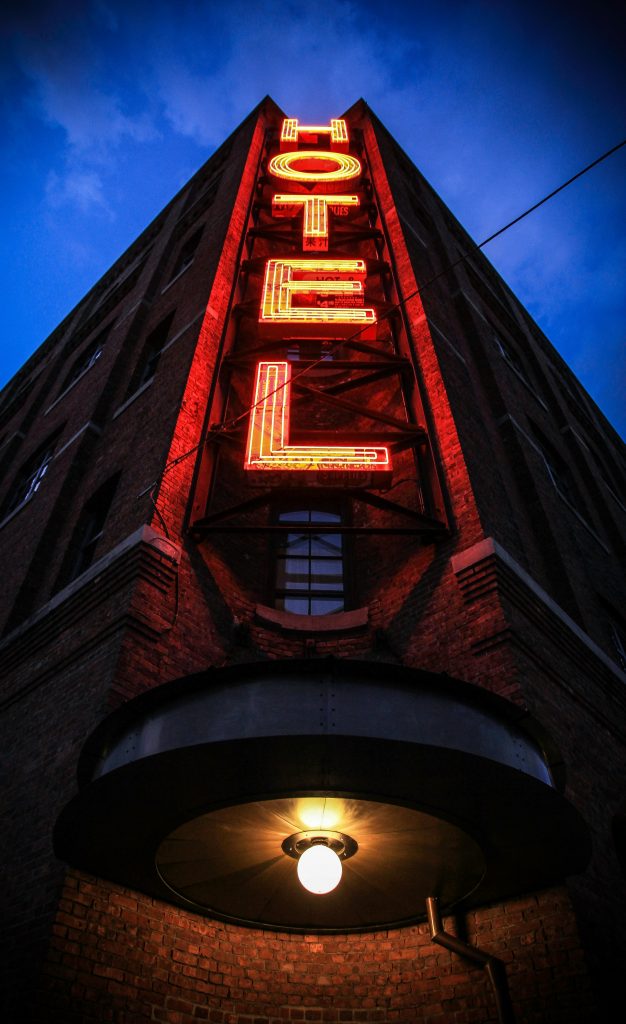
Eye-catching low angle shot of a neon hotel sign illuminating a brick building facade at dusk.
hotel

Stories of a Hotelie: Family Businesses

The candidate is in the middle of a job interview. The selection process is almost complete, and he is about to have a conversation with the owner. Anxiety sets in, but a few breathing exercises quickly help keep his nerves under control. He takes a deep breath, knocks on the door (knock, knock—knocking on heaven’s door, just like in the Bob Dylan song), and steps inside.After a few minutes, the candidate realizes there is chemistry between them. A convivial conversation unfolds, and the resort owner—who happens to own more than a hundred companies—makes an unexpected remark.“Oh, don’t struggle anymore. You’ve already been selected. Do you know why?”The candidate scrambles to think of something smart to say about his résumé, but the owner beats him to it:“You are an expert in family business.”It was the first time the candidate had ever heard such a thing. Little did he know, it would become a recurring theme throughout his career.His first steps in resort management had been within his own family’s business. He remembers those early days vividly, as if they were yesterday—the long lunch hours where different generations gathered around the same table. At the center sat the family patriarch, his great-uncle, surrounded by relatives, all engaged in lively conversation. Some of the fondest memories came from those shared meals, including one particularly amusing incident. His great-uncle, afflicted by severe deafness, had failed to hear the repeated warnings about a fly in his soup. Oblivious, he had swallowed it with satisfaction, leaving the rest of the family in stunned silence before breaking into laughter.But beyond the anecdotes, one undeniable truth about family businesses remains: conflict is inevitable. In my experience working with several family-run companies—including my own—I have learned that disagreements are ever-present. The only way to navigate them successfully is through consensus.Unfortunately, I lacked the necessary experience to apply this formula to my own family business at the time. However, I was later able to help many others. In one particular case, I worked with a second-generation family-run resort where a dispute over expansion plans had driven siblings apart. By guiding them toward a structured negotiation process, helping them define roles, and reinforcing their shared vision, I saw firsthand how consensus can turn conflict into progress.Family businesses are complex, but they also hold incredible potential. They thrive on trust, history, and resilience. When managed with clear communication and mutual understanding, they can last for generations. And, as I’ve learned, sometimes, an outsider’s perspective—one shaped by personal experience—can make all the difference.
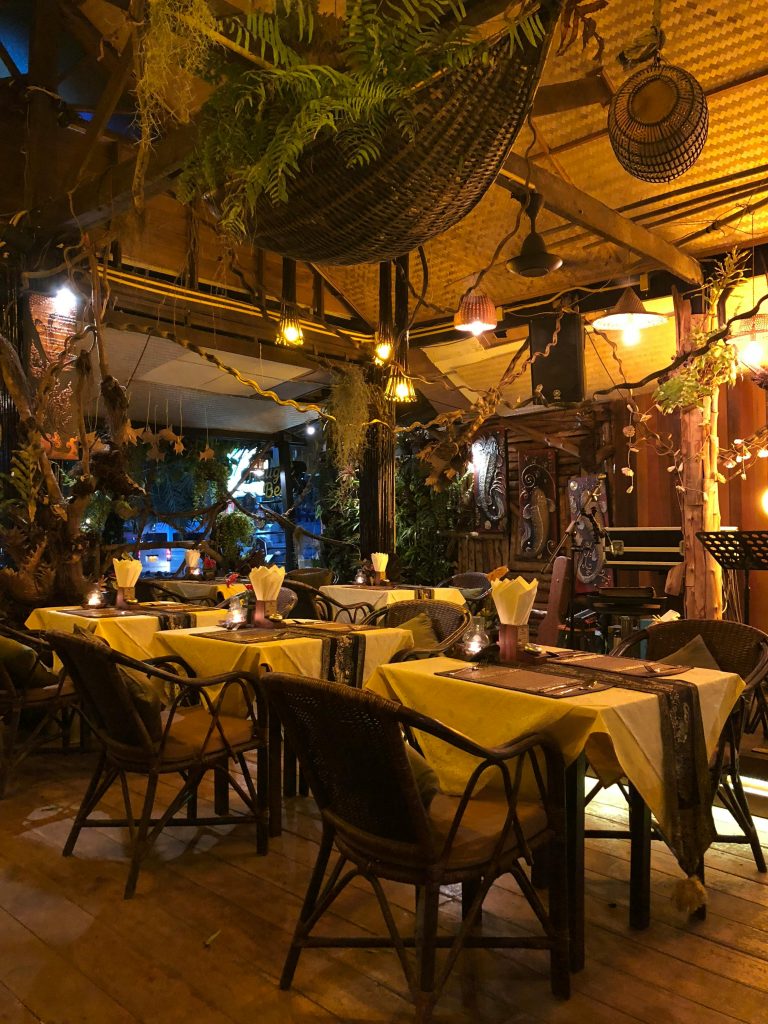

Charming rustic restaurant setting with warm lighting and decorative plants, perfect for a cozy dining experience.
Restaurante

Stories of a Hotelie: La Condena del Autónomo y II

No ha mucho tiempo hubo un político de cuyo nombre no quiero acordarme que esgrimía como uno de sus principios rectores la defensa del autónomo. No tardó demasiado el susodicho en hacer mutis por el foro. Y ahí acabó la esperanza del autónomo.En los día de la pandemia y post pandemia las administraciones públicas obligaron a los autónomos a cerrar sus negocios, sobre todo en la hostelería, y en muchos casos aquellos cierres temporales se convirtieron en cierres definitivos por hundimiento de dichas pymes.El Estado respondió con algunas ayudas, pero hete aquí que en una campaña de renovada caza al autónomo se les lleva exigiendo todo tipo de requerimientos para conseguir mantener tales dádivas, a diferencia de lo sucedido en países de nuestro entorno.Muchos de los beneficiarios eran autónomos societarios en empresas posteriormente concursadas y liquidadas; nada mejor que requerirles para que aporten documentación que no tienen.A otros, que no son autónomos desde hace años y cuyas sociedades ya no existen, se les notifica en su antiguo domicilio social o en la gestoría con la que ya no trabajan.Y cuando a un pobre ex autónomo, condenado por falta de respuesta, se le ocurre decir que se le debía haber notificado por vía digital, según la ley de procedimiento administrativo de 2015, la respuesta oficial es que un autónomo no tiene derecho a elegir por dónde se le debe notificar.¿Qué me dice? No puede ser. Pues sí, eso parece. ¿Y un ex autónomo? ¡Eso no existe señor mío, un autónomo lo es de por vida! ¡Faltaría más! ¡Pues no hay pocos autónomos, que prevaliéndose de su inclinación natural al mal, se esconden bajo el disfraz del régimen general de la seguridad social para despistar…!Pues eso: la condena del autónomo.

hotel

Stories of a Hotelie: Perception is Reality Even for Boards of Directors

The entrepreneur and CEO of a hotel company has a “brilliant” idea: to take the board members—each representing various investment funds—on a journey to visit the site of one of their investments. They all share the same van, with a professional driver skillfully navigating the winding roads toward their destination.A lively conversation unfolds, filled with laughter and camaraderie. To an observer, the atmosphere among the board members would seem unmistakably warm and collegial. The CEO, feeling buoyed by the positive energy, is even tempted to break into an old-school song.But then, the mood shifts. As the van rounds a bend, an imposing structure emerges in the distance—two towering edifices dominating the landscape. The CEO had been dreading this moment since they left the motorway, winding their way through endless turns. With every curve, a looming presence on the horizon had grown more distinct.A heavy silence settles over the van. No remarks are made, though they are surely expected. The CEO had championed the opening of a new resort—a stunning location, nestled in nature yet easily accessible. However, there is one significant complication: the resort is located near a nuclear plant. While the plant itself is not visible from the resort, a faint cloud always lingers over the distant hills.Resort site selection depends heavily on demand generators—those external factors that influence guest attraction. When making complex decisions like this, one must ask: does proximity to a nuclear plant enhance or hinder the hotel’s appeal? The answer lies in how reality is perceived by the target market. As hoteliers, we play a crucial role in shaping that perception.

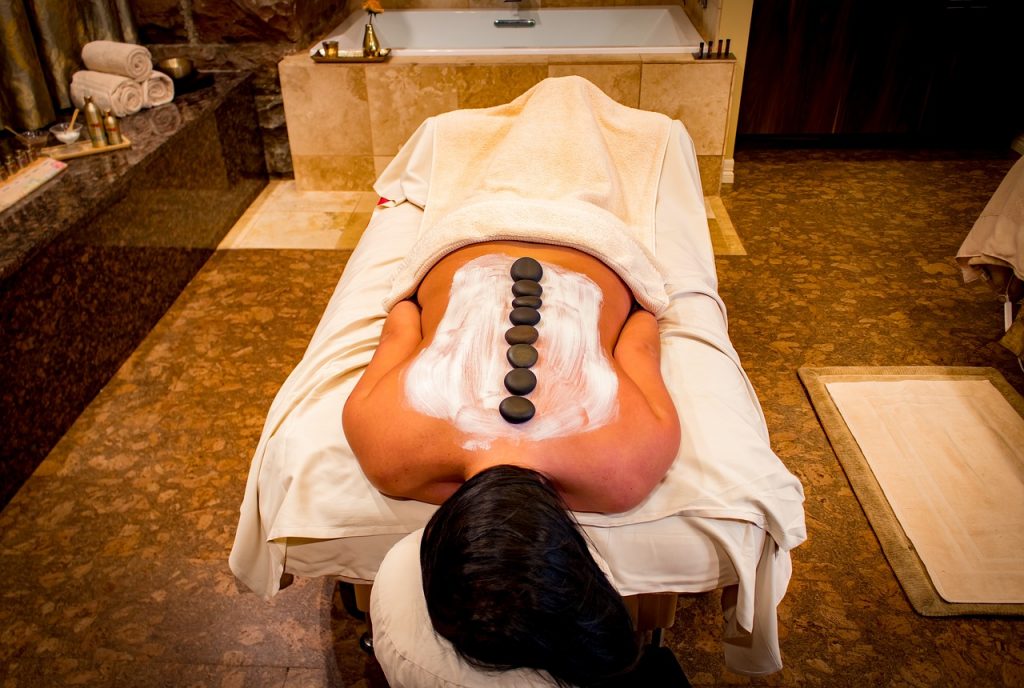
people, indoors, furniture, spa, massage, relax, stones, mud, brown relax, brown massage, brown spa, brown stone, spa, spa, spa, spa, spa, massage, massage, massage, massage
Spa

Stories of a hotelie: Making money with our spas

The question of how to make a spa profitable is a complex yet crucial one. A few years ago, I had the opportunity to tackle capacity challenges at one of the world’s most renowned wellness centers. At that time, spa operations were chaotic—there was no demand forecasting, therapists had varied skill sets, treatment rooms lacked consistency, and scheduling was inefficient. It took time and strategic adjustments, but eventually, we found a formula for success.The profitability strategy for a spa depends on multiple factors, including its type—whether it is a day spa, a destination spa, or an amenity spa—and whether it operates as a standalone business or as part of a hotel or resort.When asked for my insights on this topic, my advice is straightforward: simplify spa operations.By focusing on key factors that streamline service delivery, we can enhance efficiency and increase profitability. The main operational areas to optimize include:•Standardization of treatment rooms•Number and scheduling of therapists•Therapist versatility vs. specialization•Treatment menu design•Operating hoursEach of these factors influences spa capacity, and while different approaches have their pros and cons, simplification often leads to greater financial success.A well-structured spa operation is a balance between efficiency and customer satisfaction. By simplifying operations and addressing those challenges, spa managers can create a more profitable and sustainable business model.If you need further guidance in implementing an effective strategy for your spa, feel free to connect with me via LinkedIn.

Spa

Stories of a Hotelie: Selling Time with Different Price Tags

Can revenue management be applied to a spa? The answer is a resounding yes, despite traditional resistance from spa operators, often citing ethical concerns.Revenue management is the strategic effort to maximize income from every sale while ensuring optimal customer satisfaction. It is particularly relevant for businesses with a perishable inventory—such as hotel rooms, restaurant tables, or treatment rooms in a spa—where availability is limited and time-sensitive. As Cornell Professor Sheryl Kimes often emphasized, in such cases, businesses aren’t selling spaces but rather the time spent using those spaces.Customers generally accept varying rates for the same service, as long as they understand the reasoning behind it. This was evident in the operational revamp of Alameda Spa in Valencia, where management successfully implemented a pricing strategy that adjusted rates based on demand. The key was clear communication: explaining that lower prices at specific times were designed to balance workload and optimize service delivery, ensuring a smoother experience for both customers and staff.Ultimately, this pricing model benefits the client. A spa cannot accommodate all guests at peak hours while maintaining high service standards. Encouraging customers to visit during off-peak times allows for better resource distribution and a more pleasant experience for everyone.In the end, customers come to realize they are paying not just for a service but for the invaluable commodity of time—priced differently depending on when they choose to use it. No frills, no gimmicks—just the strategic management of time as a valuable resource.

Spa

Stories of a hotelie: sostenella y enmendalla, el extraño caso del Ayuntamiento de Valencia y su Balneario

Sostenella y no enmendalla define la actitud de quienes persisten obstinadamente en errores garrafales, incluso a sabiendas, por orgullo o para mantener las apariencias.En enero de 2021 el gestor del Balneario comunica al departamento de sanidad del Ayuntamiento que para preservar la pureza del agua mineromedicinal y reforzar las medidas contra la legionela se iba a optar por funcionar 5 días seguidos, cerrando 2. De ese modo, se podía suministrar el agua mineromedicinal sin cloro, para beneficio de los bañistas, realizando las operaciones de desinfección cada 5 días con el establecimiento cerrado al público; tales medidas están en línea con las recomendadas por el RD 487/2022 para el control de la legionelosis en las aguas termales.Asimismo, debido a la alta temperatura del agua termal del Balneario se decide no acumularla, y hacer que entrara y saliera de la piscina como si de un río se tratara, consiguiendo la renovación total del agua del vaso varias veces al día. Con esto se alcanzan tres objetivos: primero, el beneficio de un agua mineromedicinal sin ningún tipo de aditivo; segundo, la renovación constante del agua siendo ésta una de las medidas más eficaces para impedir el desarrollo de la bacteria, como se reconoce en la literatura al uso; tercero, se obtiene un beneficio adicional, en el ámbito de la gestión sostenible: al no acumular agua se eliminan los costes energéticos, y el uso desmesurado de desinfectantes con su inevitable impacto en el medio ambiente.La señalada propuesta de actuación obtuvo la aprobación del Ayuntamiento, certificándose en un acta de inspección en enero de 2021. Un año después, sin embargo, coincidiendo con un cambio de personas en la inspección de sanidad, comienzan los problemas para el Balneario. Curiosamente los problemas surgen tras haber aprobado el Servicio de Actividades del Ayuntamiento la posible conversión del Balneario en hotel-balneario. La nueva inspección, en su estrategia de acoso, llega a manifestar al concesionario que como era la autoridad podía llegar a cerrarle, como así ocurrió.En noviembre de 2022 el Balneario se cierra por un recuento mínimo de legionela, en todo caso causado por el incumplimiento contractual del Ayuntamiento de Valencia en cuanto a sus labores de desinfección de la tubería por la que se suministra el agua termal al Balneario.Ya no se habla de legionela, sin embargo, ahora son razones económicas completamente discutibles. La pretensión es clara, no obstante, hurtarle al empresario, que también fue el refundador del Balneario este siglo, la explotación de la concesión, en la que ha venido realizando una fuerte inversión de dinero, tiempo y esfuerzo. Hurtarle la concesión en definitiva porque sí, porque el poder político/administrativo así lo ha decidido, ya sea por razones de orgullo o por otras de más oscuro cariz

hotel

Stories of a hotelie: Retaining Talent in Hospitality

Last Wednesday, during my online class, one of my students—who works at a hotel front desk while completing her hospitality studies—looked pale and exhausted.“How are you, Nolwenn? You look tired.”“Javier, I don’t know if I can stay in this industry…”Hearing those words was tough. As someone deeply passionate about hospitality, it struck a chord.“What happened?” I asked.“Clients can be so rude sometimes. It’s just so unfair…”Her frustration is not unique. The hospitality industry faces a persistent challenge: talent retention. Unbearably high turnover rates plague many companies. While we invest heavily in training our staff to deliver exceptional service—teaching them to anticipate needs, exceed expectations, and create memorable experiences—we often overlook an essential skill: coping with unfair criticism.Guests’ dissatisfaction is inevitable, but what happens when their frustration turns personal? When online reviews become harsh, anonymous, and even damaging? Many employees feel unprepared to handle such negativity, and the emotional toll drives them away.This issue is bigger than most realize. A study by Bradley, Sparks, and Weber (2015) in the International Journal of Contemporary Hospitality Management highlighted a direct link between negative online reviews and high levels of job abandonment and absenteeism. My own experience confirms this reality.So, what can we do? We must strengthen our efforts—not just in training employees to serve, but in equipping them with resilience. We need to reassure new talent that their passion for hospitality matters.

hotel

Stories of a hotelie: morir de amor

Mariano José de Larra, insigne literato español del XIX, describía en uno de sus artículos “Vuelva usted mañana” la depurada galbana de la que hacían gala los servidores públicos de entonces. Henos aquí un par de siglos después y se puede decir que lo que observa un ciudadano corriente, al otro lado de la ventanilla, es un paisaje que no ha cambiado gran cosa respecto del descrito por Larra.Es algo en lo que no debemos ser los únicos, pues surgen movimientos al otro lado del Atlántico, como reacción ante la desmesurada presencia de las administraciones públicas: la ya famosa motosierra del presidente Milei, o el frenesí adelgazante del presidente Trump y su coadyuvante Elon Musk.Y la verdad es que las organizaciones, especialmente las públicas -como dijo aquella política “es que el dinero público no es de nadie” (sic)- tienden a engordar como los humanos inactivos, y con gran facilidad crean primero el cargo y luego la función. Al respecto existe un proverbio muy oportuno en lengua inglesa que dice: “too many cooks spoil the broth”, o demasiados cocineros estropean el caldo. Es algo que tenemos que reconocer los actores del sector de la hospitalidad, pero que muy bien puede extenderse a otros sectores.En fin, quiero creer, que mi admirado Larra, se suicidase en verdad por amor, como romántico absoluto que era, y no como a veces se me ocurre pensar envuelto en una maraña, una espiral sin fin de procedimientos burocráticos como los que ahora siguen poniendo trabas a la libre empresa y por tanto al crecimiento económico.

hotel

Stories of a hotelie: la condena del autónomo

“Hotelie” así nos llaman a los graduados salidos de las grandes escuelas hoteleras del mundo, como en mi caso de la Cornell University School of Hotel Administration. Tras muchos años desempeñando puestos ejecutivos en la industria hotelera y creando empresa, estoy en una nueva etapa dedicado a la consultoría y la enseñanza (hrmdashboard.es).El otro día un amigo abogado me dice que en un evento compartió mesa y mantel con un funcionario de hacienda. Su interlocutor, esbozando una sonrisa contenida, le indica en cierto momento que cuando tiene delante un autónomo lo que en verdad ve es un defraudador en potencia (sic).Mi amigo encajó el golpe con tristeza y no respondió.La verdad es que la forma de pensar del señalado funcionario responde a un atavismo social que en España viene de siglos atrás, muy ligado a las consideraciones culturales del catolicismo de otros tiempos.En fin, os confieso que como autónomo que he sido muchos años tengo un auténtico complejo de buey. La sociedad española puede representarse, en esta materia, como un carro tirado por bueyes, que son los autónomos y sus trabajadores, y los que van cómodamente encima del carro: los representantes de la economía no productiva, funcionarios no esenciales, que dependen del trabajo de los bueyes, pero no por ello dejan de darles con la vara para que no se desmanden, ni de hacer chanza de su papel social.

Spacious swimming pool surrounded by tropical villas under a bright blue sky, perfect for relaxation.
hotel

Grandes Resorts

Por lo general, un Resort es un hotel que cuenta con servicios de ocio y diversas instalaciones para el descanso y el disfrute del huésped. Esto quiere decir que, además de las habitaciones, el comedor y otros espacios que suelen tener la mayoría de los establecimientos hoteleros, un resort dispone de prestaciones adicionales.

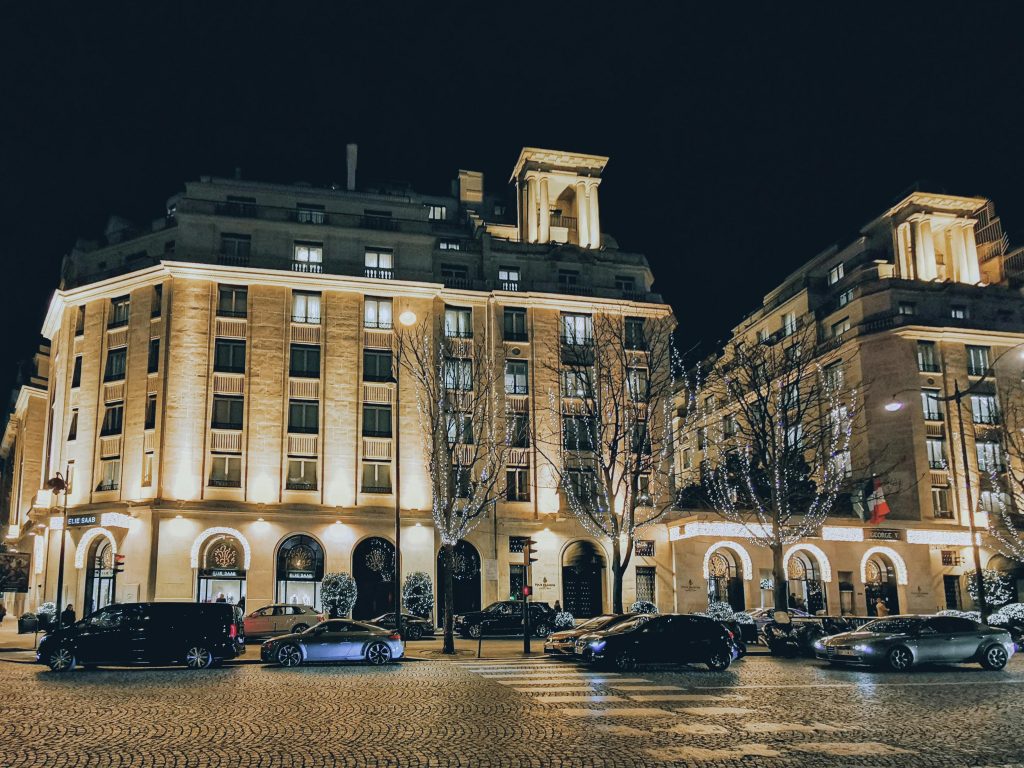
Night view of the illuminated Four Seasons Hotel George V, Paris with nearby traffic.
hotel

Hoteles de lujo de ciudad

Un hotel de lujo se considera un hotel que proporciona una experiencia de alojamiento de lujo para el huésped. No hay estándares establecidos (como estrellas) para hoteles de lujo. A menudo, los hoteles de 4 o 5 estrellas se describen a sí mismos como «de lujo».

A couple arriving at a luxurious Maldives resort dock with luggage, capturing a tropical vacation vibe.
hotel

Villas de lujo

Una villa es un edificio de una sola planta con un patio exterior y un jardín delantero o terraza. Pueden estar adosadas a otra villa cercana o tener al menos una pared compartida. Las villas tienen una larga historia que se remonta al Imperio Romano. De hecho, estas casas se conocen como “villas romanas”. Se construían sobre todo en las fincas rurales de los romanos de clase alta (ricos). Seguro que has oído hablar de las villas de estilo toscano, que se han popularizado en toda Europa. En aquella época, la villa podía tener exquisitas piscinas, jardines, tierras de cultivo y otras estructuras a su alrededor. Hoy en día, las villas siguen siendo más comunes en los suburbios que en las áreas metropolitanas.

Scroll to Top